








Add Your Heading Text Here
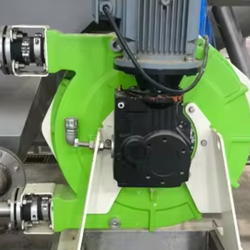
In municipal wastewater treatment plants, industrial wastewater treatment facilities, sludge treatment workshops, and chemical dosing systems, various media—including high-concentration sludge, flocculants, coagulants, disinfectants, and carbon sources—require continuous, stable, and accurate transfer and dosing. Hose pumps offer excellent resistance to clogging, strong self-priming capability, and good metering performance, making them well suited to a variety of demanding wastewater treatment applications.
In wastewater treatment plants, hose pumps can be used for waste activated sludge and return activated sludge transfer, polyaluminum chloride (PAC) and polyacrylamide (PAM) dosing, ferric chloride phosphorus removal agent transfer, sodium hypochlorite disinfection dosing, sodium acetate carbon source dosing, and lime milk preparation. In addition, hose pumps can handle challenging media such as grit-containing wastewater, chemical agents prone to crystallization, and dewatered sludge with a certain degree of viscosity.
Typical Applications:
Transfer of various types of sludge, including return activated sludge, waste activated sludge, thickened sludge, and dewatered sludge
Quantitative dosing of flocculants (PAM) and coagulants (PAC)
Transfer of phosphorus removal agents, such as ferric chloride and ferrous sulfate
Dosing of disinfectants, such as sodium hypochlorite
Precise dosing of carbon sources, such as sodium acetate and methanol
Transfer of slurries, such as lime milk
Pumping and removal of sand-containing wastewater, screenings, and grit
Chemical transfer between storage tanks in chemical dosing rooms
Precise chemical dosing throughout wastewater treatment processes